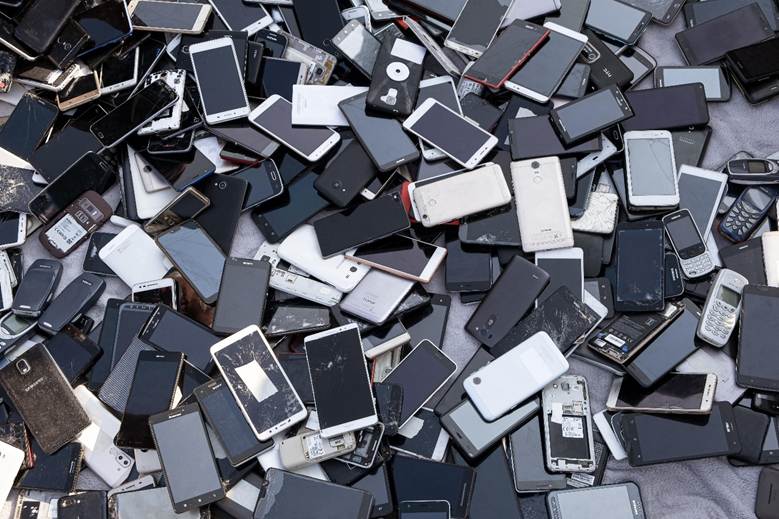
Every year, millions of smartphones are replaced as consumers upgrade to newer models with faster processors and sharper cameras. Yet few people stop to consider what happens to their old devices once they are traded in, donated, or tossed into a drawer. Arrow Recovery Group explains that the life of a phone does not end when its screen cracks or its battery fades. In fact, for recyclers and environmental engineers, that is only the beginning of a long and complex journey through the e-waste recycling process.
The Growing Challenge of E-Waste
Electronic waste, or e-waste, is one of the fastest-growing waste streams in the world. The United Nations estimates that more than 60 million metric tons of e-waste are generated globally each year. Old phones make up only a small portion of that total, but their impact is significant. Each phone contains valuable materials such as gold, copper, silver, palladium, and lithium, along with plastics, glass, and rare earth elements. When discarded improperly, these materials can leak toxic chemicals into soil and water. When recovered responsibly, they can be reused in new electronics, creating a circular economy that reduces the need for raw mining.
The First Step: Collection and Sorting
The recycling process begins when a consumer turns in their old phone. This can happen through manufacturer take-back programs, electronic retailers, community collection drives, or municipal e-waste drop-off centers. Some organizations specialize in refurbishing phones for resale, while others send them directly to certified recycling facilities.
At these facilities, workers sort incoming devices by type, model, and condition. Those that still work or can be easily repaired are separated for refurbishment. The remaining phones, which are too damaged or outdated for reuse, move to the dismantling stage. Sorting is critical because different models contain different combinations of materials, adhesives, and internal structures. A modern smartphone may have up to 70 elements from the periodic table, and knowing what is inside determines how it will be processed.
Dismantling: Taking the Phone Apart
Dismantling can be done by hand or by machine, depending on the size of the operation. Skilled technicians use tools to remove batteries, screens, circuit boards, and casings. Batteries are handled with special care, since lithium-ion cells can catch fire if punctured. Once separated, each component is directed to its own recovery pathway.
Manual dismantling is time-consuming but precise. Workers can safely remove small parts and identify reusable components like cameras, speakers, or charging ports. Mechanical shredders are faster and more scalable, but they destroy the individual parts in order to expose the underlying metals. Many recycling facilities use a combination of both methods, first removing the most hazardous parts by hand, then sending the rest through a shredding line.
The Recovery of Precious Metals
After dismantling, the shredded material goes through a series of physical and chemical processes to extract valuable metals. Circuit boards, for example, contain traces of gold, copper, silver, and palladium in their solder and connectors. These metals are separated using smelting, electrolysis, or chemical leaching.
Copper is one of the most commonly recovered materials. It is found in wires and printed circuit board traces and can be reused in new electrical wiring or plumbing. Gold, though present in very small amounts, is also a prized recovery target. A single ton of discarded smartphones can yield as much as 300 grams of gold, which is more than what can be obtained from a ton of raw ore. Silver and palladium, both excellent conductors, are often reused in new electronic components or in the automotive industry for catalytic converters.
Meanwhile, aluminum from phone casings and steel from internal frames are melted down for use in construction materials or new consumer products. Even plastics are sorted and recycled where possible, though their complex composition often makes them harder to reuse efficiently.
What Happens to the Battery?
The battery presents one of the biggest recycling challenges. Most modern smartphones use lithium-ion batteries, which contain valuable lithium, cobalt, and nickel but also pose fire and explosion risks. Specialized facilities dismantle and crush these batteries in controlled environments. The shredded material, sometimes called “black mass,” contains a mix of metals that can be refined through hydrometallurgical or pyrometallurgical processes.
Recovered lithium can be used in new batteries for electric vehicles or energy storage systems, while cobalt and nickel are reintroduced into the supply chain for electronics and industrial applications. Recycling batteries helps reduce dependence on mining operations, which are energy-intensive and often tied to environmental and labor concerns.
The Environmental and Economic Impact
E-waste recycling is both an environmental necessity and a business opportunity. By recovering metals from discarded electronics, recyclers reduce the demand for new mining, which conserves energy and limits ecological damage. According to the Global E-Waste Monitor, proper recycling can save millions of tons of carbon emissions each year.
Economically, the value of recovered materials is substantial. The metals found in global e-waste are estimated to be worth over 60 billion dollars annually. Yet less than a quarter of the world’s e-waste is properly collected and recycled. The rest is often exported to developing countries, where informal recyclers extract metals using unsafe methods, such as burning wires or using acid baths. These practices endanger workers and pollute local environments. Strengthening international standards and expanding certified recycling facilities are key steps toward solving this problem.
From Waste to New Life
Once materials are recovered and refined, they reenter the manufacturing supply chain. Copper from an old phone might end up in a new smartphone, an electric vehicle, or a wind turbine. Gold and silver could find their way into computer chips or jewelry. Even plastics can be turned into new casings or other products.
Some companies are beginning to design their devices with recycling in mind. Modular phones, for instance, allow for easier disassembly and component replacement. Major manufacturers are also using more recycled materials in their new products, signaling a shift toward a more sustainable electronics industry.
The Consumer’s Role
While recycling technology continues to improve, the responsibility does not rest solely on manufacturers. Consumers play an essential role by ensuring their devices are properly disposed of. Dropping off old electronics at certified e-waste collection sites or participating in manufacturer trade-in programs keeps valuable materials in circulation and prevents harmful substances from ending up in landfills.
Every old phone represents both a problem and a potential solution. If discarded carelessly, it becomes part of a growing environmental crisis. If recycled correctly, it contributes to a cleaner planet and a more sustainable supply chain. The next time you upgrade your phone, consider where your old one might go. Its journey does not end in your junk drawer; it may very well become the building block for the next generation of technology.