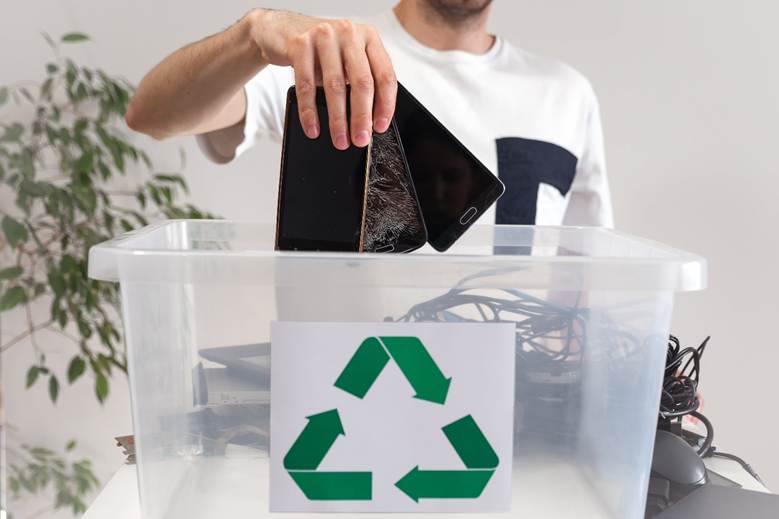
In an age where technology evolves faster than ever, our appetite for the latest devices has led to an unintended consequence: a global surge in electronic waste, or e-waste. From smartphones and laptops to televisions and household appliances, the gadgets that once powered our modern lives eventually become obsolete, discarded, or forgotten in drawers. Yet what many people do not realize is that these discarded electronics carry an enormous environmental and human toll. Arrow Recovery Group understands that the improper disposal of e-waste contributes to toxic contamination, air and water pollution, and serious health risks for communities worldwide. Understanding why responsible recycling matters is the first step toward reducing these dangers and protecting both the planet and public health.
The Growing Mountain of Electronic Waste
The world produces over 50 million tons of e-waste each year, and that number continues to climb. This figure represents one of the fastest-growing waste streams on the planet, fueled by consumer demand for newer, faster, and more efficient technology. Many devices have short life cycles by design, as manufacturers release updated models annually, prompting people to replace rather than repair. Old electronics often end up in landfills or are shipped overseas to developing countries where they are processed informally, without regulation or safety measures.
The issue is not just about volume but also about composition. Electronic devices contain complex mixtures of materials, including valuable metals like gold, silver, and copper, as well as hazardous substances such as lead, mercury, and cadmium. When disposed of improperly, these toxic materials seep into the environment and create long-term damage that is both costly and difficult to reverse.
Environmental Dangers of Improper Disposal
When electronics end up in landfills, the risk of pollution increases dramatically. As devices break down, their internal components release heavy metals and other toxic chemicals into the soil and groundwater. For example, lead can leach into nearby ecosystems, harming plants, animals, and water sources. Mercury from circuit boards and fluorescent displays can contaminate rivers and oceans, accumulating in fish and eventually making its way into the human food chain.
E-waste that is incinerated poses another problem. Burning electronic materials releases harmful gases and particulate matter into the atmosphere. Dioxins, furans, and other carcinogenic compounds are produced when plastics and circuit components are exposed to high heat. These pollutants contribute to air quality degradation, acid rain, and the broader issue of climate change. Unlike organic waste, electronics do not decompose safely over time. Instead, they leave behind persistent contaminants that can remain active in the environment for decades.
Human Health Risks from E-Waste Pollution
Beyond environmental damage, improper e-waste disposal has a direct impact on human health. In many parts of the world, informal recycling operations—often involving children and unprotected workers—use unsafe methods like burning wires to recover valuable metals. This exposes workers to dangerous toxins, which can lead to respiratory problems, neurological damage, kidney disease, and cancer. Lead exposure, in particular, is known to cause developmental delays and cognitive impairment in children.
Communities living near e-waste dumpsites are also at risk. Contaminated air and water can cause chronic illnesses, reproductive issues, and birth defects. In countries that import large quantities of used electronics for dismantling, such as Ghana, India, and Nigeria, e-waste has become both an economic lifeline and a major health crisis. These regions often lack the infrastructure or regulations to manage toxic materials safely, leaving residents vulnerable to long-term harm.
The Benefits of Responsible Recycling
Proper electronics recycling, also known as e-cycling, offers a sustainable solution to this growing problem. Certified recycling facilities are equipped to safely dismantle, sort, and process electronic devices, recovering valuable materials while preventing the release of hazardous substances. By extracting metals like copper, gold, and aluminum from old devices, recyclers reduce the need for new mining operations, which are energy intensive and environmentally destructive.
Responsible recycling also helps conserve resources. Many electronic components can be refurbished, reused, or repurposed for new devices, minimizing waste and supporting a circular economy. When managed correctly, recycling transforms e-waste from an environmental hazard into an opportunity for innovation and sustainability.
Consumer Responsibility and Awareness
One of the most effective ways to reduce e-waste is through education and conscious consumer behavior. Many people are unaware that their local governments, retailers, or electronics manufacturers offer recycling programs or take-back initiatives. Dropping off old phones, computers, and batteries at designated collection sites ensures that they are handled responsibly.
Consumers can also make more sustainable choices by repairing rather than replacing electronics, purchasing refurbished devices, and supporting companies with transparent recycling policies. Extended producer responsibility (EPR) programs, which require manufacturers to manage the full life cycle of their products, have already proven successful in reducing e-waste in countries like Japan and parts of the European Union. Supporting these initiatives helps shift the burden from consumers to corporations, promoting accountability and environmental stewardship.
The Global Challenge Ahead
Despite growing awareness, much of the world’s e-waste is still unaccounted for. According to global estimates, less than 20 percent of electronic waste is formally recycled each year. The rest ends up in landfills, incinerators, or illegal exports to developing nations. Solving this issue requires international cooperation, stronger legislation, and investments in green technology. Governments must enforce regulations that ban illegal dumping and incentivize recycling infrastructure, while corporations must design products that are easier to repair, upgrade, and recycle.
Public engagement remains crucial. Every consumer decision, from upgrading a smartphone to disposing of an old television, contributes to the larger e-waste equation. Choosing responsible recycling not only conserves resources but also protects ecosystems and communities around the world.
A Collective Responsibility for a Cleaner Future
The hidden cost of e-waste lies in its silent but far-reaching effects on our environment and health. While technology continues to transform society for the better, our consumption habits must evolve alongside it. Proper electronics recycling is not just a matter of convenience but a moral and ecological imperative. By making responsible choices, supporting sustainable practices, and holding industries accountable, individuals can help turn the tide against one of the most pressing environmental challenges of our time.
E-waste may be a byproduct of progress, but it does not have to be its downfall. Through awareness, action, and collective responsibility, a cleaner, healthier, and more sustainable future is within reach.