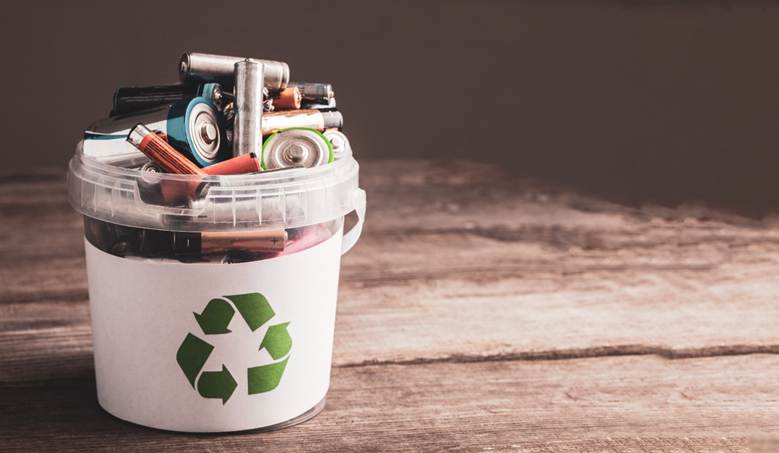
As electric vehicles, renewable energy systems, and portable electronics continue to rise in popularity, lithium-ion batteries have become the beating heart of the modern energy transition. These batteries power not just our devices but also the broader shift toward a cleaner, more sustainable world. However, this progress comes with an urgent challenge. Arrow Recovery Group explains that the increasing demand for lithium, cobalt, nickel, and other critical materials used in battery production threatens to outpace supply and create new environmental pressures. Battery recycling is emerging as a critical solution to this problem, offering a pathway toward a circular economy that reduces waste, limits mining impact, and supports the renewable energy revolution.
The Growing Demand for Batteries
Over the past decade, lithium-ion batteries have become essential components in countless applications, from smartphones and laptops to electric cars and solar energy storage systems. According to industry estimates, global demand for lithium-ion batteries is expected to increase nearly tenfold by 2035. The electric vehicle sector is the largest driver of this surge, with millions of cars on the road now powered by batteries rather than gasoline. As countries commit to reducing carbon emissions, automakers are investing heavily in electrification. Yet, the more we rely on batteries, the more we depend on the materials that make them work.
Mining lithium, cobalt, and nickel is energy-intensive and often associated with environmental degradation and human rights concerns. Extracting these materials can contaminate water sources, destroy ecosystems, and emit significant carbon dioxide. Moreover, mining operations are concentrated in a few regions, creating geopolitical risks and supply chain vulnerabilities. These factors make it clear that the world cannot rely on mining alone to meet the growing demand for battery materials. Recycling offers a complementary and sustainable approach.
Why Battery Recycling Matters
Battery recycling serves two critical purposes. First, it prevents hazardous waste from entering landfills and reduces the environmental risks associated with improper disposal. Lithium-ion batteries contain materials that can be toxic or flammable if handled incorrectly. Second, recycling recovers valuable metals and minerals that can be reused to manufacture new batteries, reducing the need for virgin materials. This process contributes to a circular economy where resources are reused rather than discarded, making battery production more sustainable and resilient.
Despite these benefits, only a small percentage of lithium-ion batteries are currently recycled worldwide. Many are stockpiled, forgotten, or discarded improperly. Building efficient systems for collection, transportation, and processing is essential to closing this loop. Governments and private companies are now investing heavily in the infrastructure needed to recover these materials at scale.
Emerging Recycling Technologies
Traditional recycling methods for lithium-ion batteries, such as pyrometallurgy, involve smelting batteries at high temperatures to recover metals. While effective in extracting certain materials like cobalt and nickel, this process is energy-intensive and can produce harmful emissions. Newer technologies are emerging that promise to make recycling cleaner and more efficient.
Hydrometallurgy is one such method. It uses chemical solutions to dissolve metals from shredded battery components. This technique operates at lower temperatures, which reduces energy use and emissions. It also enables higher recovery rates for lithium and other elements that are lost in traditional smelting processes. Companies like Li-Cycle and Redwood Materials are pioneering this approach, achieving recovery rates of more than 95 percent for key materials.
Another promising approach is direct recycling, where components such as cathode materials are preserved and rejuvenated rather than broken down completely. This process saves energy and maintains the value of the original materials. Direct recycling is still being refined, but it could become one of the most sustainable ways to reuse old batteries in new products.
Building Circular Supply Chains
The success of battery recycling depends on developing a truly circular supply chain, one that connects manufacturers, consumers, recyclers, and policymakers in a coordinated system. This begins with better product design. Batteries that are easier to disassemble and recycle can significantly improve material recovery rates. Some companies are already designing battery packs with modular components that simplify the recycling process.
Governments are also playing a key role by establishing regulations and incentives to promote battery recycling. The European Union has introduced rules requiring that a certain percentage of critical materials in new batteries come from recycled sources. In the United States, the Department of Energy has launched initiatives to support domestic recycling infrastructure and reduce reliance on imported materials. These efforts not only advance environmental goals but also strengthen supply chain security and create new economic opportunities.
The Role of Electric Vehicles
As electric vehicles become mainstream, the volume of used batteries will increase dramatically. These batteries typically retain up to 70 or 80 percent of their original capacity when retired from vehicles. Before recycling, many can be repurposed for stationary energy storage, supporting solar and wind power systems or providing backup energy for homes and businesses. This secondary use extends the life of the battery and maximizes its value before final recycling.
When batteries reach the end of their useful life, recycling becomes essential. The recovered materials can be used to produce new electric vehicle batteries, reducing costs and dependence on newly mined resources. Automakers like Tesla, Ford, and GM are already partnering with recycling firms to ensure that their batteries are part of a closed-loop system.
Looking Ahead
Battery recycling is not just an environmental necessity, it is an economic and technological opportunity. By creating systems that recover and reuse valuable materials, the world can dramatically reduce waste, lower carbon emissions, and secure a stable supply of critical minerals. The technologies being developed today will define the sustainability of tomorrow’s clean energy future.
The race to power a cleaner planet will depend not only on how we generate energy but also on how wisely we use and reuse the resources that make it possible. Battery recycling is a vital step in that journey, transforming a potential waste problem into a renewable resource solution. As nations, industries, and innovators continue to invest in this field, the circular battery economy will help ensure that the energy transition is as clean and responsible as the planet we seek to protect.