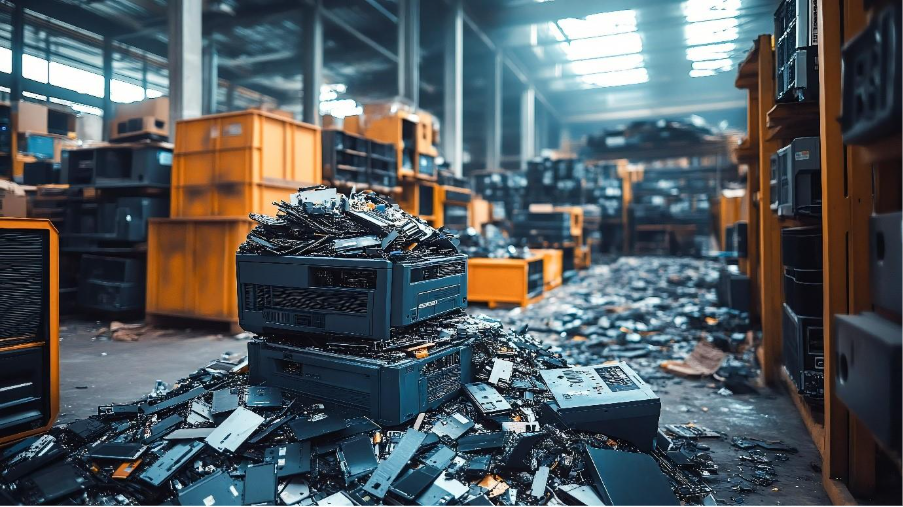
Arrow Recovery Group is the kind of name you might see on a collection flyer or a municipal recycling page, one brief mention, then you’re back to sorting cords and wondering what to do with that box of obsolete chargers. But the bigger story isn’t a single company; it’s an entire industry quietly scrambling to keep our mountains of electronic junk from becoming tomorrow’s toxic landfill. This piece walks you through the e-waste world, what’s at stake, how recycling actually works, and what everyday people can do to make a measurable difference.
The silent problem: why e-waste matters
You probably don’t think of your phone or laptop as hazardous, but the components inside them can be surprisingly nasty when they break down in a landfill. Circuit boards, batteries, and older cathode-ray tubes contain lead, mercury, cadmium, and flame retardants that can leach into soil and groundwater if they’re not handled properly. That’s one reason the industry leans on standards and certifications that set baseline rules for safe processing and data security.
Add to that the sheer volume: Americans replace phones, tablets, and small electronics at an ever-faster clip, and what used to sit in a garage for a few extra years now moves quickly from useful to useless. The environmental consequence isn’t just messy, it’s expensive, both in cleanup costs and in lost materials that could have been reclaimed.
What “responsible recycling” actually looks like
There’s a big difference between dumping a device in a bin and sending it to a facility that treats electronics as a source of reusable materials. Good recycling programs begin with secure collection and strict chain-of-custody controls. From there, trained technicians dismantle devices, remove batteries for special handling, and separate metals, glass, and plastics. Data-bearing devices are sanitized using industry-recognized methods, so your personal information doesn’t end up on a stranger’s hard drive.
The best programs follow a reuse-first approach: if a device can be refurbished and used again, that’s preferable to shredding it for parts. That reuse step keeps materials in circulation longer and cuts down the energy and emissions required to manufacture replacements.
The rules that keep the chain honest
Because so much of the damage from e-waste comes from sloppy handling, certifications and standards matter. They require everything from documented data destruction to worker safety protocols and downstream vendor vetting, meaning companies must track what happens to components even after they leave the primary facility. These rules try to prevent the worst outcomes, like hazardous materials being shipped to places without proper protection or workers being exposed to toxic substances.
Those standards also help buyers, businesses and government agencies choose partners they can trust. When a disposal contract requires certified handling, it reduces the risk of surprises later.
How communities and businesses can make it simple
Accessibility is the single biggest barrier to better e-waste outcomes. People are more likely to recycle if drop-off points are convenient, free, and clearly marked. Municipalities that host periodic collection drives, partner with retailers for take-back programs, or run curbside pickups see higher participation. Schools, libraries, and neighborhood groups can help by publicizing events and explaining simple steps like backing up and wiping old devices before donating them.
For businesses, integrating end-of-life planning into procurement and asset-management practices goes a long way. Having a clear plan for ageing equipment, whether it’s refurbishment, resale, or secure recycling, simplifies budgeting and reduces liability.
Practical steps you can take today
You don’t need specialized knowledge to handle e-waste responsibly. Here’s a short checklist that actually works:
- Back up important files and wipe or factory-reset devices before handing them in.
- Remove and recycle batteries separately. Lithium-ion cells need special treatment.
- Look for certified recycling partners and ask about their downstream practices and data-destruction methods.
- Donate working devices to schools or community groups instead of recycling them immediately.
- Attend local electronics collection events or use retailer take-back programs.
Every small action adds up. When whole neighborhoods adopt these habits, the reduction in hazardous waste and the increase in reclaimed materials are real and measurable.
The business angle: repair, refurbish, reclaim
There’s a growing, practical market for refurbished electronics and components. When companies treat parts and materials as commodities, there’s an economic incentive to build local processing and refurbishment centers rather than shipping everything overseas. That creates jobs, keeps material value in domestic supply chains, and reduces the environmental footprint of transporting heavy loads across the globe.
At the same time, policy tools like right-to-repair laws and producer responsibility programs can nudge manufacturers to design for longevity and disassembly, which makes recycling more efficient and less costly.
A few hopeful signs
The e-waste industry is learning to tell a different story: one that frames discarded electronics not as garbage but as raw material. More municipalities are offering easy-access programs; more companies are publishing take-back options; and processors are investing in safer, higher-tech ways to separate and reclaim valuable metals and plastics. Even small community drives, where neighbors unload years of forgotten cables and gadgets into a collection trailer, become social acts that normalize responsible disposal. The momentum is steady, if not dramatic.
Your gadget’s next life starts with a choice
The next time you clear out a drawer of old chargers or stare at a stack of obsolete devices, remember this isn’t just clutter, it’s potential. Reuse and responsible recycling keep hazardous materials out of our neighborhoods and conserve resources we’d otherwise mine or manufacture anew. The path from living room box to a refurbished donation or a responsibly recycled component is straightforward: back up, wipe, remove batteries, and take devices to verified collection points. That small, sensible sequence lets each of us turn a private nuisance into a public good, and when enough of us do it, the industry’s noisy problem becomes a quiet, steady solution.